How In App Advertising Is Changing The Digital Marketing Landscape
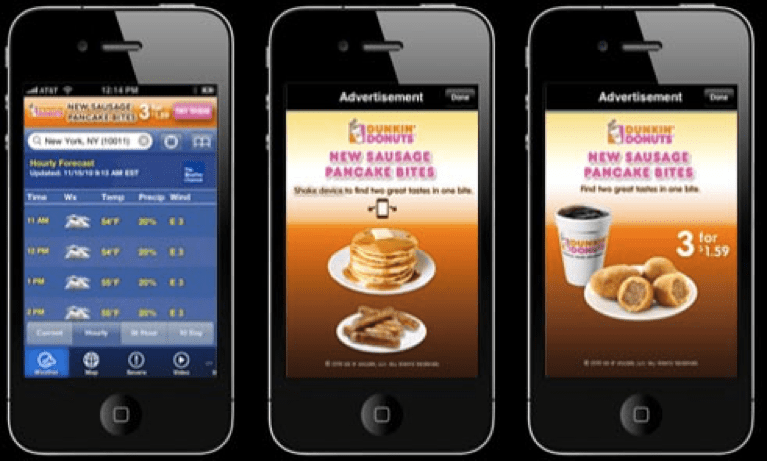
You may be using your calculator on your Galaxy 8 or iPhone and notice an ad at the top, as if you are on a website being served a sky scrapper or leaderboard ad. You get a buzz on your device indicating you have a notification on your Facebook Messenger app. It is an in-app advertisement delivered as message in Facebook Messenger.
Email has been the leading channel for one-on-one interaction between an advertiser and consumer for a long time, providing a personalized approach and user experience. Now, however, in-app ads often offer users a better experience.
While consumers generally don’t like advertising, some ads are more tolerable (and even likable) than others. Advertisers tend to have a greater ability to create better ad experiences with in-app ads.
Publishers of mobile apps, as well as mobile app networks, have designed ad formats that are ideally suited to mobile apps. Many are designed to integrate seamlessly into the UX of the mobile app.
Jupiter Research reports that in-app mobile ad spend will reach $16.9 billion by 2018, compared to $3.5 billion in 2013. While app downloads will increase exponentially by then, the majority of in-app advertising expenditure will be allocated to social mobile giants like Facebook and Twitter, according to the company.
As the app ecosystem has seen growth, though, the role of in-app advertising has changed. For a long time, app developers favored a “pay once and play” model, where users weren’t prompted with in-app advertising purchase options. Increasingly, as more free-to-download apps enter the market, the brand side needs new revenue generation models. That’s become more about in-app advertising and in-app goods and services.
 Ripper Media